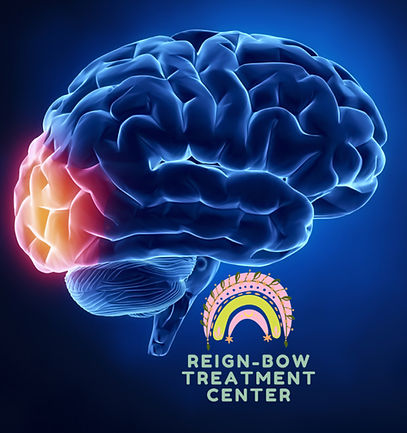

What Is Brain Mapping for Autism? A Parent’s Guide to qEEG Brain Mapping and Personalized Brain-Based Care
- May 7
- 4 min read
Updated: May 14
If you are searching for answers about autism, brain function, sensory challenges, attention, emotional regulation, speech delays, sleep issues, or behavioral struggles, you may have come across the term “brain mapping.”
At Reign-Bow Brain Treatment Center, many families ask:
What is brain mapping for autism?
Is brain mapping safe?
What does a qEEG brain map show?
Can brain mapping help identify patterns related to autism symptoms?
How is brain mapping different from a standard EEG?
This guide explains how brain mapping works, why families explore it, and how personalized brain-based approaches may help support individuals on the autism spectrum.
What Is Brain Mapping?
Brain mapping is a non-invasive process used to measure and visualize brainwave activity.
One of the most common forms used in functional neuroscience is called a qEEG brain map (quantitative electroencephalogram).
A qEEG measures electrical activity in the brain and converts it into visual maps that show patterns of brainwave function.
These brainwaves include:
Delta waves
Theta waves
Alpha waves
Beta waves
High beta activity
A brain map may help identify areas of the brain that appear overactive, underactive, dysregulated, or not communicating efficiently.
For individuals with autism spectrum disorder (ASD), these patterns may correlate with symptoms involving:
Attention
Emotional regulation
Sensory processing
Social engagement
Sleep
Language processing
Executive functioning
Anxiety
Behavioral flexibility
What Is a qEEG Brain Map?
A qEEG brain map is often described as a “functional picture” of brainwave activity.
During the process:
Sensors are placed gently on the scalp
Brainwave activity is recorded
Specialized software analyzes the data
The results are compared against normative databases
Visual heatmaps are created to show patterns
The procedure is painless and does not involve radiation or surgery.
At many neuroscience-based clinics, qEEG brain mapping is used as part of a broader evaluation process to help guide individualized care planning.
Why Do Families Explore Brain Mapping for Autism?
Autism affects every child differently.
Two children may share the same diagnosis while having completely different challenges.
Some children struggle with:
Speech delays
Meltdowns
Sensory overload
Hyperactivity
Poor sleep
Emotional dysregulation
Rigidity
Social withdrawal
Aggression
Anxiety
Focus and learning difficulties
Brain mapping aims to look beneath symptoms to better understand how the brain may be functioning.
Instead of using a one-size-fits-all approach, brain mapping may help clinicians identify individualized neurological patterns.
This is one reason many parents search for:
“Brain mapping autism near me”
“qEEG for autism”
“Autism brain scan”
“Personalized autism treatment”
“Brainwave testing for autism”
What Brainwave Patterns Are Sometimes Seen in Autism?
Research has shown that some individuals with autism may display irregular brainwave activity patterns.
These can include:
Excess Delta or Theta Activity
Slow-wave activity may sometimes correlate with:
Brain fog
Slower processing
Attention difficulties
Emotional dysregulation
Elevated High Beta Activity
This may sometimes be associated with:
Hypervigilance
Anxiety
Sensory sensitivity
Sleep difficulties
Connectivity Imbalances
Some studies suggest communication between different brain regions may function differently in autism spectrum disorder.
Irregular Alpha Patterns
Alpha activity may relate to:
Relaxation
Cognitive processing
Emotional balance
Because autism is highly individualized, no single brainwave pattern defines autism.
Is Brain Mapping Safe for Autism?
qEEG brain mapping is considered non-invasive and generally well tolerated.
The procedure:
Does not shock the brain
Does not involve medication
Does not expose patients to radiation
It is simply recording brainwave activity from the scalp.
Many parents appreciate that brain mapping focuses on collecting objective neurological data.
How Is Brain Mapping Different From a Traditional EEG?
A traditional EEG is commonly used in hospitals to detect seizure activity or major neurological abnormalities.
A qEEG brain map goes further by using advanced software analysis to evaluate brainwave patterns and compare them against normative databases.
This creates:
Visual heatmaps
Functional analysis
Brainwave distribution patterns
Connectivity insights
Can Brain Mapping Diagnose Autism?
Brain mapping alone does not diagnose autism spectrum disorder.
Autism diagnoses are typically made through:
Clinical evaluations
Behavioral assessments
Developmental history
Communication and social analysis
However, qEEG brain mapping may provide additional information about brain function that can help guide personalized care strategies.
Personalized Brain-Based Approaches for Autism
Many families today are searching for more personalized neurological approaches rather than generalized symptom management.
Brain-based approaches may include:
Neurofeedback
TMS-based therapies
Behavioral therapies
Occupational therapy
Speech therapy
Nutritional support
Sensory integration strategies
At Reign-Bow Brain Treatment Center, individualized care planning may incorporate qEEG findings alongside clinical observations and patient history.
Why Personalized Care Matters in Autism
No two brains are identical.
That is why many families are increasingly interested in:
Personalized brain mapping
Functional brain assessments
Precision-based neurological care
Objective brainwave analysis
Parents often want answers beyond:
“Wait and see”
Medication-only approaches
Generic treatment plans
Brain mapping may help provide a more individualized understanding of neurological function.
Common Questions Parents Ask About Brain Mapping for Autism
How long does a brain map take?
Most qEEG brain mapping sessions typically take between 30–90 minutes depending on the evaluation process.
Does brain mapping hurt?
No. The procedure is non-invasive and painless.
Can adults with autism get brain mapping?
Yes. Brain mapping may be used with both children and adults.
Does insurance cover qEEG brain mapping?
Coverage varies by insurance plan and medical necessity requirements.
What age can children receive brain mapping?
This depends on the clinic and the child’s ability to tolerate the recording process.
The Growing Interest in Brain Mapping and Functional Neuroscience
Interest in functional neuroscience and personalized neurological care continues to grow.
Families are increasingly searching for:
Objective data
Personalized approaches
Brain-based insights
Functional neurological assessments
As awareness expands, brain mapping is becoming a more recognized component of individualized autism support strategies.
Brain Mapping for Autism in Lombard, Oak Brook, Naperville, and Chicagoland
Families throughout:
are increasingly searching for personalized brain-based approaches for autism spectrum disorder.
At Reign-Bow Brain Treatment Center, our goal is to help families better understand brain function through individualized evaluations and compassionate care.
Final Thoughts: Understanding the Brain Beyond Symptoms
Brain mapping for autism is not about labeling a child.
It is about gaining deeper insight into how the brain may be functioning and using that information to support more personalized care strategies.
As neuroscience continues to evolve, many families are exploring tools like qEEG brain mapping to better understand:
Attention
Emotional regulation
Sensory processing
Cognitive performance
Behavioral patterns
Neurological function
The future of autism care is increasingly moving toward individualized, brain-based approaches designed around the unique needs of each person.



Comments