Understanding qEEG Brain Mapping Benefits for Autism
When a child or adult is diagnosed with autism, it can feel overwhelming. You want to understand their brain and how to help them thrive. One tool that is gaining attention is qEEG brain mapping. This technology offers a window into brain activity. It helps us see patterns that might explain behaviors and challenges. I want to share what I’ve learned about qEEG brain mapping and how it can support those with autism.
What is qEEG Brain Mapping?
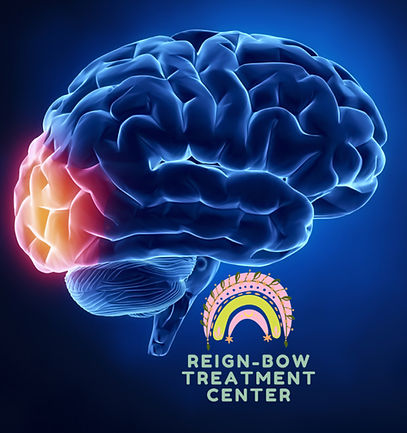
qEEG stands for quantitative electroencephalography. It is a way to measure electrical activity in the brain. Unlike a regular EEG, which shows brain waves in real time, qEEG analyzes the data to create colorful maps. These maps highlight areas of the brain that are overactive or underactive.
The process is simple and painless. Small sensors are placed on the scalp to record brain waves. The person sits quietly for about 20-30 minutes while the data is collected. Then, the data is processed by a computer to produce detailed brain maps.
These maps help us understand how different parts of the brain communicate. For people with autism, this can reveal unique patterns that might relate to sensory issues, communication difficulties, or emotional regulation.

qEEG Brain Mapping Benefits for Autism
One of the biggest benefits of qEEG brain mapping is that it provides personalized insights. Autism is a spectrum, meaning every brain is different. A qEEG map shows exactly where the brain is working well and where it might need support.
Here are some key benefits:
Identifies brain imbalances: It shows which areas have too much or too little activity.
Guides targeted therapy: Therapies can be tailored to the individual’s brain patterns.
Tracks progress: Repeat scans can show how the brain changes with treatment.
Non-invasive and safe: It is a gentle procedure with no side effects.
Supports emotional and behavioral understanding: Helps explain why certain behaviors happen.
For example, if a child has trouble with sensory overload, qEEG might show overactivity in sensory processing areas. Therapists can then focus on calming those areas through specific interventions.
This personalized approach can improve communication, emotional regulation, and overall quality of life. It is a powerful tool for families seeking answers and solutions.
How qEEG Brain Mapping Works in Therapy
Once the brain map is created, therapists use the information to design a treatment plan. This often includes neurofeedback, a type of therapy that trains the brain to function more efficiently.
Neurofeedback uses real-time feedback from the brain to encourage healthier brain wave patterns. For example, if the qEEG shows too much slow wave activity in certain areas, neurofeedback can help reduce it. This can lead to improvements in focus, mood, and behavior.
Therapists may also combine qEEG insights with other therapies like speech therapy, occupational therapy, or counseling. The goal is to address the whole person, not just symptoms.
Regular qEEG assessments help track how the brain responds to therapy. This allows adjustments to be made, ensuring the treatment stays effective.

What to Expect During a qEEG Brain Mapping Session
If you decide to explore qEEG brain mapping, here’s what typically happens:
Preparation: The scalp is cleaned to ensure good sensor contact.
Sensor placement: Small electrodes are placed on the head using a cap or adhesive.
Recording: The person sits quietly, sometimes with eyes open or closed, while brain waves are recorded.
Data analysis: The recorded data is processed to create brain maps.
Review: A specialist reviews the maps and explains the findings.
Treatment planning: Based on the results, a personalized therapy plan is created.
The whole process is comfortable and usually takes about an hour. It is suitable for children, teens, and adults.
If you are in the Chicagoland area, you might want to explore options like qeeg brain mapping lombard for local access to this technology.
How qEEG Brain Mapping Supports Families
Understanding the brain can bring peace of mind. It helps families see that behaviors are not just “acting out” but have a neurological basis. This knowledge can reduce frustration and increase empathy.
qEEG brain mapping also empowers families to make informed decisions. When you know what the brain needs, you can choose therapies that are more likely to help. This can save time and resources.
Many families find hope in seeing progress through brain mapping. Watching the brain change over time can be encouraging. It shows that with the right support, growth is possible.
If you are caring for someone with autism, consider how qEEG brain mapping might fit into your journey. It is a step toward personalized care and better outcomes.
Moving Forward with Brain-Based Autism Therapy
Brain mapping is just one part of a larger approach to autism therapy. At centers like Reign-Bow Treatment Center, the focus is on personalized, brain-based care. This means using tools like qEEG to understand each individual’s unique brain and tailor therapy accordingly.
The goal is to help individuals on the spectrum improve communication, manage emotions, and live fuller lives. Families are supported every step of the way.
If you want to learn more about how qEEG brain mapping can help, reach out to local providers. They can guide you through the process and explain how it fits into a comprehensive treatment plan.
Remember, every brain is different. qEEG brain mapping offers a clear picture of those differences. It opens the door to targeted, effective therapy that can make a real difference.
Thank you for taking the time to learn about qEEG brain mapping benefits for autism. This technology is a promising tool for understanding and supporting the brain. With the right care, individuals with autism can thrive and families can find hope.


Comments