QEEG Is a Breakthrough for Understanding Autism
Autism can feel like a puzzle with many missing pieces. Every person on the spectrum is unique, and understanding their brain can be challenging. That’s where QEEG, or Quantitative Electroencephalography, comes in. It offers a new way to look at brain activity and helps us understand autism better. I want to share how QEEG works and why it matters for those with autism and their families.

What Is QEEG and How Does It Work?
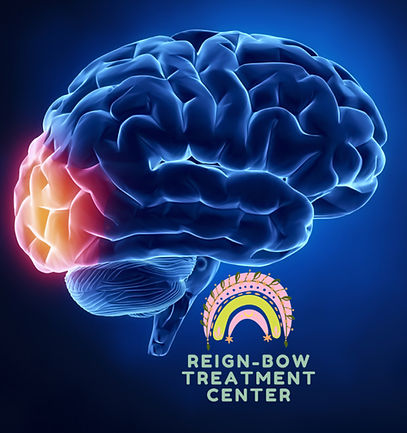
QEEG is a tool that measures electrical activity in the brain. It records brainwaves using sensors placed on the scalp. These brainwaves show how different parts of the brain communicate. Unlike a regular EEG, which just shows raw brainwave data, QEEG uses computer analysis to turn this data into colorful maps. These maps highlight areas of the brain that work differently.
This technology helps us see patterns that might be linked to autism. For example, some people with autism have unusual brainwave activity in areas related to communication or emotional control. QEEG can spot these differences, giving us clues about how the brain functions in autism.
QEEG is safe and painless. It only takes about 30 to 60 minutes to complete. The results can guide doctors and therapists in creating personalized treatment plans.
Why QEEG Matters for Autism
Autism is complex. It affects how people communicate, behave, and process emotions. Traditional tests rely on observing behavior, which can miss some brain differences. QEEG adds a new layer by showing what’s happening inside the brain.
With QEEG, we can:
Identify specific brain areas that may need support
Understand why some therapies work better for certain individuals
Track changes in brain activity over time
This helps make therapy more targeted and effective. Instead of guessing, we use real brain data to guide decisions.
How QEEG Supports Personalized Autism Therapy
Personalized therapy is key for autism. No two people respond the same way to treatment. QEEG helps by showing which brain functions are strong and which need help. This information can shape therapy goals.
For example, if QEEG shows low activity in areas linked to emotional regulation, therapy can focus on building those skills. If communication areas show unusual patterns, speech therapy might be prioritized.
One example of a service that uses QEEG to guide therapy is the Reign-Bow Treatment Center. They specialize in brain-based autism therapy in the Chicagoland area. Their approach uses QEEG to create personalized plans that improve communication and emotional control. This helps individuals on the spectrum thrive and supports their families.
Comparing QEEG-Based Services for Autism
There are several services that use QEEG to help people with autism. Here are two examples:
Reign-Bow Treatment Center
They offer personalized brain-based therapy using QEEG. Their focus is on improving communication, emotional regulation, and quality of life. They work closely with families to tailor treatments. Learn more at Reign-Bow Treatment Center.
NeuroMap Diagnostics
This service provides detailed QEEG brain mapping and reports. They help identify brain patterns linked to autism and other neurological conditions. Their reports support doctors and therapists in planning care. Visit NeuroMap Diagnostics for details.
Both services use QEEG but focus on different parts of the process. Reign-Bow combines QEEG with therapy, while NeuroMap focuses on diagnostics. Depending on your needs, one or both could be helpful.

What Families Can Expect from QEEG Testing
If you decide to try QEEG testing, here’s what usually happens:
The person sits comfortably while sensors are placed on their head.
The test records brainwaves while the person is relaxed or doing simple tasks.
The data is analyzed by computer to create brain maps.
A specialist reviews the results and explains what they mean.
The results help guide therapy or further testing.
QEEG can be especially useful for children and teens who have trouble expressing how they feel or what they struggle with. It gives a clear picture of brain function without relying on words.
How QEEG Fits into a Bigger Picture of Autism Care
QEEG is not a cure or a standalone test. It’s one tool among many. Doctors still use behavioral assessments, medical history, and other tests to understand autism fully. But QEEG adds valuable information that can improve care.
It also helps track progress. By repeating QEEG tests over time, therapists can see if brain activity changes with treatment. This helps adjust therapy to be more effective.
Using QEEG alongside other therapies creates a stronger support system. It helps families feel more confident that the care is based on real brain data.

What the Future Holds for QEEG and Autism
Research on QEEG and autism is growing. Scientists are learning more about how brainwaves relate to different autism traits. This could lead to better early diagnosis and new treatments.
Technology is also improving. New devices are becoming easier to use and more affordable. This means more people could benefit from QEEG testing in the future.
I believe QEEG will become a standard part of autism care. It helps us understand the brain in a way we never could before. That means better support and brighter futures for those on the spectrum.
QEEG offers a clear window into the brain’s activity. It helps us see what’s different and what needs support. For families and individuals with autism, this means more personalized care and hope for progress. If you want to learn more about brain-based therapy using QEEG, check out the Reign-Bow Treatment Center. They are leading the way in helping people on the spectrum thrive.
Understanding the brain is the first step to helping it grow stronger. QEEG is a breakthrough that brings us closer to that goal every day.


Comments